California State University, Fullerton's (CSUF) academic calendar sets the rhythm for student life, academic achievement, and professional development. A well-understood calendar helps students plan milestones, prioritize tasks, and make informed decisions about their university experience. Meanwhile, faculty members rely on the calendar to deliver academic content, plan course schedules, and manage workload.
Planning Strategies for Students
CSUF's academic calendar offers numerous opportunities for students to develop essential planning skills. By regularly consulting the calendar, students can:- Monitor important deadlines for course assignments, project submissions, and registration
- Avoid clashes between class schedules and personal commitments
- Plan study groups, project collaborations, and academic gatherings
image: Planning for CSUF Success

Implications for Faculty and Staff
Understanding CSUF's academic calendar has significant implications for faculty and staff. By being aware of key dates and deadlines, they can:- Develop well-informed course syllabi, incorporating relevant academic events and milestones
- Manage course scheduling to minimize conflicts and optimize student engagement
- Ensure timely communication with students, colleagues, and university administrators
Time Management and Productivity
Effective time management and productivity are critical outcomes influenced by understanding the CSUF academic calendar. Regular use of the calendar enables students to prioritize tasks, manage study loads, and maintain a healthy work-life balance. For faculty, the calendar serves as a key component in planning academic content, allocating workload, and promoting student success.Conclusion
While the specific challenges faced by students and faculty at CSUF may change over time, the importance of understanding the academic calendar remains a constant. By grasping the rhythm and cadence of the CSUF calendar, students, faculty, and staff can align their priorities, make informed decisions, and contribute to a more productive and supportive university environment.Why-Why-Why Diagram – Das Ishikawa-Diagramm Und Die 5 Why-Methode – YSHTE

Why-Why-Why Diagram – Das Ishikawa-Diagramm und die 5 Why-Methode – YSHTE
The Why Question Why Important: Where What When Why How – ICFW
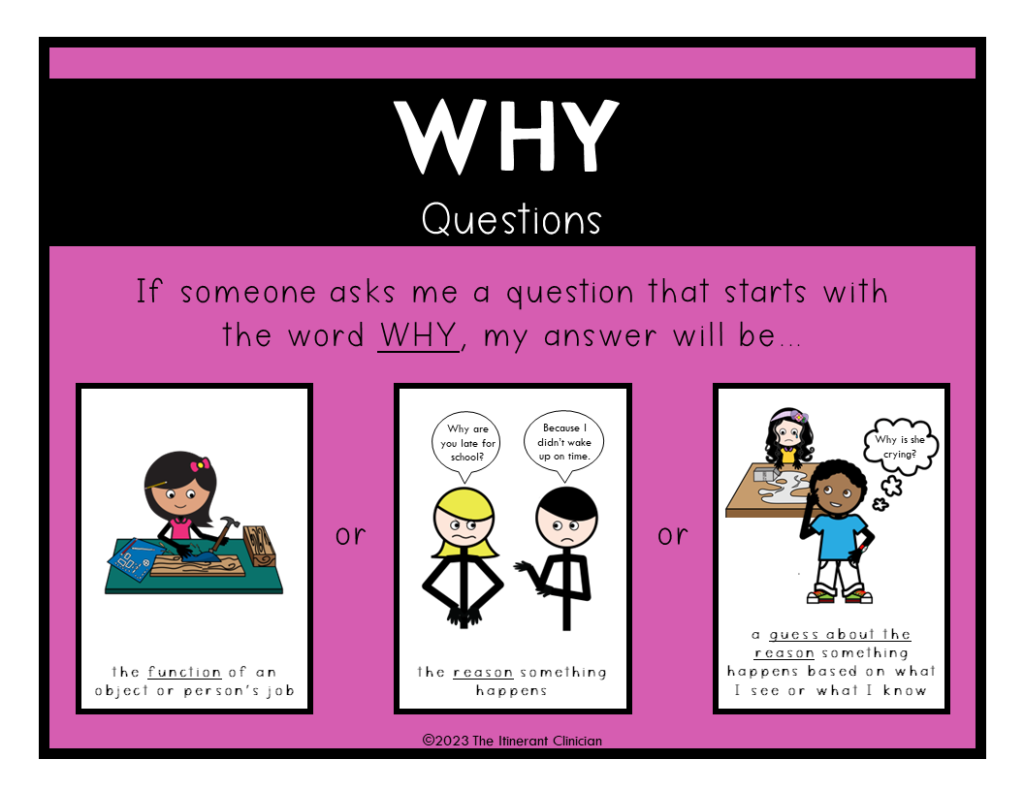
The Why Question Why Important: Where What When Why How – ICFW
Why Tho - Imgflip

why tho - Imgflip
Why You Should Start With Why

Why you should start with why
Related Celebrity Net Worths
What Is An Academic Calendar? - Ultimate Study Hacks net worth
CSUF Trending: Why California State University, Fullerton Is in the Spotlight | August 2026 | NewsDr net worth
Cal State Fullerton: Subject Matter Requirement (CBEST & CSET) Workshop net worth
Understanding the FCPS School Calendar net worth
Academic Calendar Walkthrough net worth
Why CSUF is the best | A Message To International Students net worth
Understanding the Academic Calendar net worth
Answering All Your Questions About Cal State Fullerton | Commuting & Classes | Back to School Q&A net worth
日産・フェアレディz net worth
TikTokのメッセージに写真を載せる方法 net worth
Jfl net worth
Fate/extra Record net worth
Hey! Say! Jump net worth
ジャイアンツtv net worth
マンu 対 イプスウィッチ net worth
Iphone18pro net worth