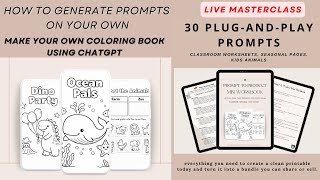
Teachers are turning to Transform Your Classroom with Time-Saving Printable Alphabet Printables to cut preparation time, and these tools are gaining traction in schools.
Context: The Classroom Time Crunch
The classroom time crunch is real: teachers juggle lesson planning, behavior management, and curriculum demands while trying to keep students engaged. When each new activity requires fresh visual aids, the workload can quickly become overwhelming. Many districts have adopted these printables as part of their early literacy initiatives, citing reduced planning time and improved student engagement.
Design That Saves Minutes
Effective printable alphabets feature high‑contrast letters, ready‑to‑print PDFs, and thematic layouts that match existing décor, allowing teachers to set up literacy stations in minutes. The clean design reduces the need for cutting or gluing, saving both time and materials. This organization also simplifies inventory management, allowing schools to stock a few core sets that can be mixed and matched for different thematic weeks.

Trade‑offs: Cost, Quality, and Adaptability
While many resources are free, premium versions may offer additional fonts, laminated options, or custom sizing, which can affect budget considerations and durability. Teachers must balance the low upfront cost against the potential need for frequent reprinting or protective covering.
Realistic Expectations for Adoption
When printable alphabets are woven into daily routines such as morning circles or literacy centers, they become reliable reference tools rather than one‑off decorations. A brief weekly review of the sheets helps keep the classroom organized and ensures the letters stay aligned with current phonics goals. When the materials are displayed at eye level, students are more likely to reference them spontaneously, turning passive walls into active learning stations.
Practical Steps to Get Started
- Identify a reliable source that offers downloadable PDFs with clear licensing.
- Print a test set on standard paper to assess size and readability.
- Laminate or mount the sheets for repeated use, extending their lifespan.
- Align the letters with current phonics objectives to maximize instructional impact.
Implications for Student Engagement
Research indicates that clearly visible alphabet references improve letter recognition and early reading skills, especially during hands‑on activities. Students who manipulate the printables during group work show higher engagement and retention. Beyond early literacy, the visual consistency of the alphabet can support classroom management by providing clear cues for transitions and group activities.
Scalability Across Grade Levels
Early‑grade teachers can start with large, bold letters that aid letter formation, while upper‑elementary educators can layer cursive or phonics‑focused variants to reinforce spelling patterns, demonstrating the versatility of printable alphabets across curricula. Collaborative platforms enable teachers to exchange customized versions, reducing duplication of effort and fostering a community of practice around literacy instruction.
Conclusion
Overall, Time‑Saving Printable Alphabet Printables give busy educators a pragmatic way to enrich literacy instruction without excessive prep time, delivering measurable benefits when used thoughtfully. Because the resources are low‑cost and easily adaptable, they fit well within tight school budgets while supporting differentiated instruction for diverse learner needs.