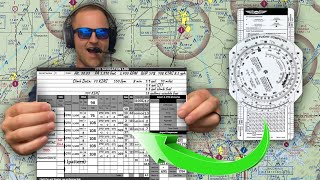
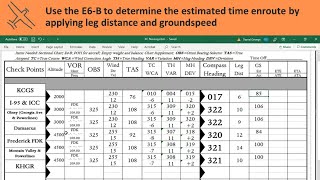
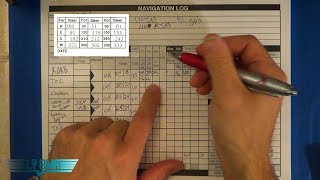
Modern pilots know that every minute saved before takeoff translates to safer, more predictable flights. By swapping bulky paper logs for streamlined digital navigation (nav) log tools, general‑aviation crews can cut prep time, reduce transcription errors, and keep flight plans in sync with real‑time data—all without sacrificing the thoroughness required by FAA regulations.
Why does a digital nav log matter more than ever?
Paper flight logs demand manual calculations for fuel burn, wind correction, and leg distances. A single mis‑entry can cascade into a fuel shortage or an off‑course deviation. Digital nav log software automatically pulls data from electronic flight bags (EFBs), GPS, and weather services, ensuring that the numbers you see are the numbers you will fly. The result is a clearer picture of the route before you even push the throttle.
How can a nav log tool cut down pre‑flight paperwork?
Most applications let you import a flight plan directly from the FAA’s flight planning portal or a third‑party dispatch service. Once loaded, the software populates each leg with:
- Waypoint coordinates and magnetic headings
- Estimated fuel consumption based on aircraft performance tables
- Wind‑adjusted ground speed and time‑en‑route calculations
With a single tap, you generate a printable summary for the aircraft’s logbook, and the same data stays editable for last‑minute changes. No more scribbling margins or re‑typing figures.
What safety checks become automatic?
Effective nav log tools embed safety checks that would otherwise be left to memory or a checklist:
- Fuel reserve validation – the program flags any leg where projected fuel falls below the required 45‑minute reserve.
- Altitude compliance – it cross‑references published minimum altitudes and alerts you if a planned segment dips below them.
- Weight‑and‑balance integration – by linking to your aircraft’s load sheet, the tool warns when the calculated center of gravity moves outside limits.
These alerts appear as pop‑ups before you file the flight plan, giving you a chance to correct errors while still on the ground.
Can a nav log tool help with regulatory compliance?
Yes. The FAA requires a signed, leg‑by‑leg log for certain operations, especially when flying under Part 135 or for instrument‑rated pilots. Digital logs generate a compliant PDF that includes the pilot’s electronic signature, timestamps, and an audit trail of any modifications. When inspected, the log can be presented on a tablet or printed, matching the paper format the regulator expects.
What are the practical steps to adopt a nav log system?
Transitioning is straightforward:
- Choose a solution – look for apps that support your aircraft’s performance data and integrate with your favorite weather source.
- Import your aircraft profile – enter weight, engine performance curves, and any custom fuel tables.
- Run a test flight – plan a short cross‑country trip, compare the digital calculations to your traditional method, and note any discrepancies.
- Train your crew – a quick 15‑minute walkthrough ensures everyone knows how to edit legs, adjust fuel, and print the final log.
- Make it the default – store the app on every aircraft tablet and set it as the primary pre‑flight resource.
Most pilots report a 20‑30 % reduction in pre‑flight preparation time after the first few flights, freeing up extra minutes for briefings, weather briefings, or simply a coffee before taxi.
What long‑term benefits can a pilot expect?
Beyond immediate time savings, efficient nav log tools foster a culture of data‑driven decision‑making. Pilots who rely on up‑to‑date calculations are more likely to notice trends—such as recurring fuel shortfalls on a particular route—and adjust their planning accordingly. Over months, this leads to smoother flights, lower operating costs, and a measurable boost in safety metrics.
In an era where electronic aids dominate cockpit workflows, embracing a reliable nav log application is the most practical step a local pilot can take to streamline the pre‑flight routine and keep every flight on a solid, efficient footing.
Hemolyzed Samples Should Be Processed For Coagulation Studies:
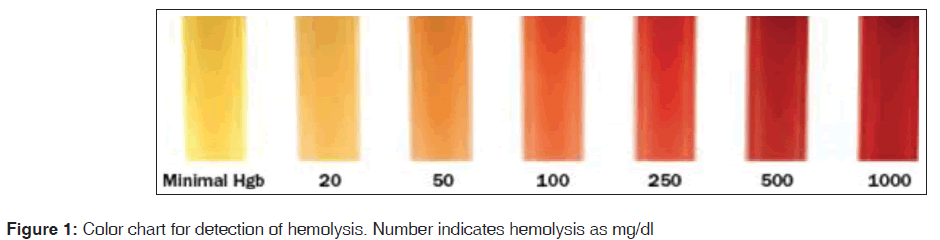
Hemolyzed Samples Should be Processed for Coagulation Studies:
What Is Hemolysis Sample At Darlene Watson Blog

What Is Hemolysis Sample at Darlene Watson blog
Degrees Of Hemolysis Chart | Hemolysis Reference Palette (front) – VYTT
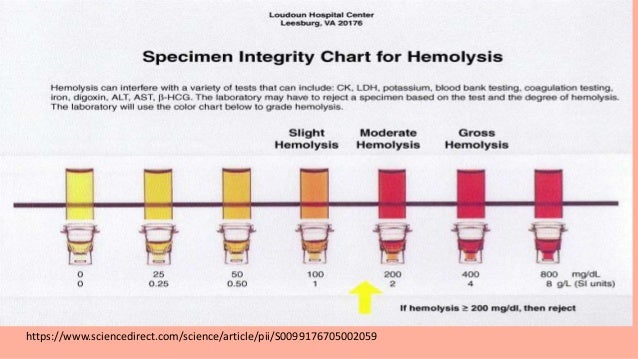
Degrees Of Hemolysis Chart | Hemolysis Reference Palette (front) – VYTT
Hemolysis Chart
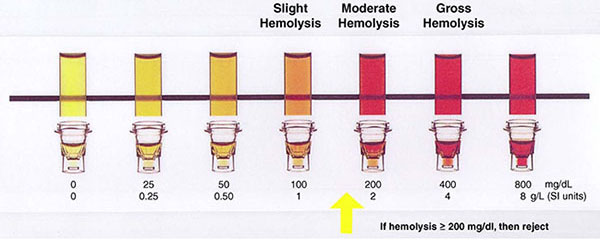
Hemolysis Chart
Aide-mémoire : Échelle D'hémolyse (25 Unités)
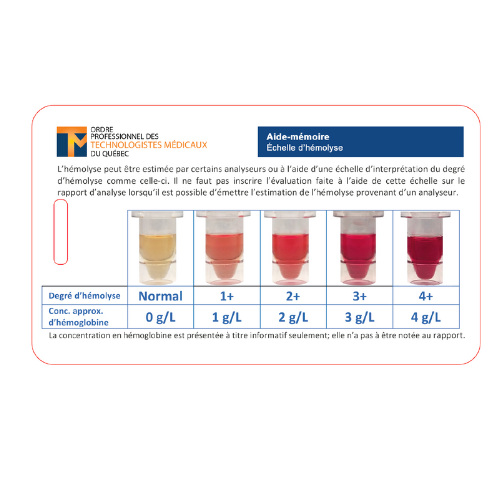
Aide-mémoire : Échelle d'hémolyse (25 unités)