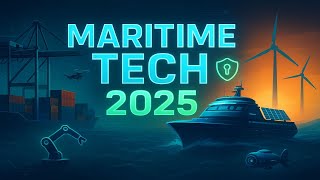
maritime industry trends to watch this year - エリートスポーツデータ

Global trade still relies on ocean freight, yet the industry is at a crossroads. Rising fuel costs, tighter emissions rules, and the promise of automation are reshaping how ships are built, operated, and managed. For newcomers, understanding these shifts is essential to navigate future opportunities.

Why Sustainability Is the New Compass

The International Maritime Organization (IMO) has pledged a 50 % reduction in CO₂ emissions by 2050, forcing carriers to rethink fuels and propulsion. Low‑carbon options—like liquefied natural gas (LNG), battery-electric hybrids, and hydrogen fuel cells—are moving from pilot projects to commercial deployment. Shipyards are now designing vessels with integrated energy‑management systems that can switch between diesel, LNG, and electric power, giving operators a flexible toolkit for compliance and cost control.

Cargo ship sailing toward horizon, symbolizing maritime industry trends

Meanwhile, digital emissions monitoring platforms allow real‑time tracking of greenhouse gas output. By pairing sensor data with weather forecasts, fleets can adjust routes to avoid high‑consumption zones, saving fuel and meeting regulatory thresholds without sacrificing schedule.

Autonomous Navigation: From Dream to Dockside

Autonomous vessels promise to reduce crew costs and increase safety, but the technology is still in transition. Pilot programs in the Mediterranean and the Baltic Sea have demonstrated that unmanned ships can navigate busy channels with minimal human oversight. The main hurdles—interoperability, cybersecurity, and regulatory approval—are being addressed through industry consortia and national maritime authorities.

For a beginner, the key question is whether to invest in full autonomy or to start with hybrid solutions, such as remote‑controlled tug assistance or automated ballast management. A phased approach lets operators gain confidence while mitigating the financial risks of a sudden shift to fully autonomous fleets.

Digital Twins and Predictive Maintenance

Every ship today can be turned into a digital twin—a virtual replica that streams data from sensors embedded in hulls, engines, and cargo systems. By applying machine‑learning algorithms to this data, operators can forecast component wear, schedule maintenance before failures occur, and optimize fuel consumption.

Adopting a digital‑twin strategy starts with choosing a platform that integrates with existing maintenance management systems and can process large volumes of data in real time. The payoff is a more resilient fleet, lower downtime, and a measurable reduction in operating costs.

Reshoring and Nearshoring: Changing the Supply Chain Geography

Geopolitical tensions and pandemic disruptions have pushed many shippers to reconsider long‑haul routes. Regional shipping hubs—such as the Panama Canal’s expansion, the Suez Canal’s increased traffic, and the growing port capacity in the Gulf of Mexico—offer shorter routes and lower fuel consumption for specific cargoes.

For newcomers, evaluating nearshoring involves assessing port connectivity, customs procedures, and local regulatory environments. A robust supply‑chain map can help identify which regions provide the best blend of speed, cost, and reliability for your cargo.

Choosing the Right Technology: What to Look For

  • Return on Investment (ROI): Estimate fuel savings, crew reductions, and maintenance cuts against upfront costs.
  • Scalability: Pick solutions that can grow with fleet size, whether you run 5 or 50 vessels.
  • Regulatory Alignment: Ensure the technology complies with IMO 2025 emissions targets and national safety standards.
  • Vendor Support: Opt for suppliers offering comprehensive training, software updates, and 24/7 support.
  • Cybersecurity: Verify that platforms have built‑in encryption and regular penetration testing.

By applying these criteria, a curious beginner can make informed decisions that balance innovation with practicality. The maritime sector is evolving quickly, but with careful planning, operators can ride the wave of new technologies and secure a competitive edge for the coming years.

Related Celebrity Net Worths

Maritime trends to watch in 2026 | Webinar | Global net worth The Maritime Industry Explained | Brighter Horizons Podcast Ep.6 net worth Ocean Shipping in 2026: What You Need to Know net worth Global Maritime Trends 2050 net worth The Future of Shipping 5 Trends That Will Change Everything net worth Harry Corkerry on Emerging Maritime Industry Trends net worth Top 10 Maritime Trends and Startups net worth 2026 Maritime Trends Outlook: The Long Game of Sustainable Development in Container Shipping net worth Jasis net worth 新こち亀 両さん役に落合福嗣 蒼井翔太ら新キャストの声を初披露するPV&キービジュアル公開 net worth Ihi net worth 明日の運勢】9月5日の運勢はどうなる 血液型別にチェック net worth 153cm 45kgの見た目は細い?男女別の印象と体型バランスを詳しく解説 net worth トイ・ストーリー5 net worth Pixel7購入記。下取りの現状やアクセサリー・指紋認証の最適化・電波掴み改善など net worth Uap net worth
Maritime trends to watch in 2026 | Webinar | Global

Maritime trends to watch in 2026 | Webinar | Global

Estimated Net Worth: | Estimated Worth: $37M - $48M

On July 1, we hosted a webinar, focusing on the latest

View Profile
The Maritime Industry Explained | Brighter Horizons Podcast Ep.6

The Maritime Industry Explained | Brighter Horizons Podcast Ep.6

Estimated Net Worth: | Estimated Worth: $55M - $74M

Ever wondered how the

View Profile
Ocean Shipping in 2026: What You Need to Know

Ocean Shipping in 2026: What You Need to Know

Estimated Net Worth: | Estimated Worth: $64M - $72M

Is volatility here to stay? What is reshaping ocean logistics in 2026? Get a front-row seat to a fast, insight-packed conversation as ...

View Profile
Global Maritime Trends 2050

Global Maritime Trends 2050

Estimated Net Worth: | Estimated Worth: $75M - $114M

Global Maritime Trends 2050

View Profile
The Future of Shipping 5 Trends That Will Change Everything

The Future of Shipping 5 Trends That Will Change Everything

Estimated Net Worth: | Estimated Worth: $47M - $68M

QFleetNews #qfleetnews #automotiveindustry #innovation #fleetmanagement #automobile #fleetnews #autonewschannel ...

View Profile
Harry Corkerry on Emerging Maritime Industry Trends

Harry Corkerry on Emerging Maritime Industry Trends

Estimated Net Worth: | Estimated Worth: $43M - $60M

What's driving the

View Profile
Top 10 Maritime Trends and Startups

Top 10 Maritime Trends and Startups

Estimated Net Worth: | Estimated Worth: $48M - $90M

KEY POINTS: 0:00 - Introduction 0:23 - Top 10

View Profile
2026 Maritime Trends Outlook: The Long Game of Sustainable Development in Container Shipping

2026 Maritime Trends Outlook: The Long Game of Sustainable Development in Container Shipping

Estimated Net Worth: | Estimated Worth: $28M - $70M

Global trade still relies on ocean freight, yet the industry is at a crossroads. Rising fuel costs, tighter emissions rules, and the promise of automation...

View Profile
Maritime Technology Innovations 2025

Maritime Technology Innovations 2025

Estimated Net Worth: | Estimated Worth: $25M - $54M

The International Maritime Organization (IMO) has pledged a 50 % reduction in CO₂ emissions by 2050, forcing carriers to rethink fuels and propulsion....

View Profile
THOUSANDS OF AMERICANS Are Dumping Their New Outboards In 2026 — Here's the Shocking Reason

THOUSANDS OF AMERICANS Are Dumping Their New Outboards In 2026 — Here's the Shocking Reason

Estimated Net Worth: | Estimated Worth: $80M - $94M

Meanwhile, digital emissions monitoring platforms allow real‑time tracking of greenhouse gas output. By pairing sensor data with weather forecasts, fleets...

View Profile
Interested in trends of marine industry? Alfa Laval predicts!

Interested in trends of marine industry? Alfa Laval predicts!

Estimated Net Worth: | Estimated Worth: $88M - $100M

Autonomous vessels promise to reduce crew costs and increase safety, but the technology is still in transition. Pilot programs in the Mediterranean and the...

View Profile
Upcoming Trends in the Maritime Industry

Upcoming Trends in the Maritime Industry

Estimated Net Worth: | Estimated Worth: $89M - $122M

For a beginner, the key question is whether to invest in full autonomy or to start with hybrid solutions, such as remote‑controlled tug assistance or...

View Profile
What is the maritime industry? - Breaking down the basics

What is the maritime industry? - Breaking down the basics

Estimated Net Worth: | Estimated Worth: $64M - $82M

Every ship today can be turned into a digital twin—a virtual replica that streams data from sensors embedded in hulls, engines, and cargo systems. By...

View Profile