Starting a $5,000 savings challenge can feel like a fast‑track to financial security, but many beginners stumble over the same pitfalls—over‑ambitious targets, poor tracking, and lax flexibility. By recognizing these frequent errors early, you can convert a simple challenge into a sustainable habit that actually grows your net worth.
What’s the biggest mistake beginners make when launching the $5,000 challenge?
The most common error is treating the challenge as a sprint rather than a marathon. New participants often set daily or weekly contribution goals that exceed realistic cash flow, causing early burnout. Instead of asking “How much can I save each month?” ask “What amount fits reliably within my budget after essential bills?” A modest $150‑$200 per month can still hit the $5,000 mark in 25‑33 months without straining daily expenses.
How does inadequate tracking sabotage progress?
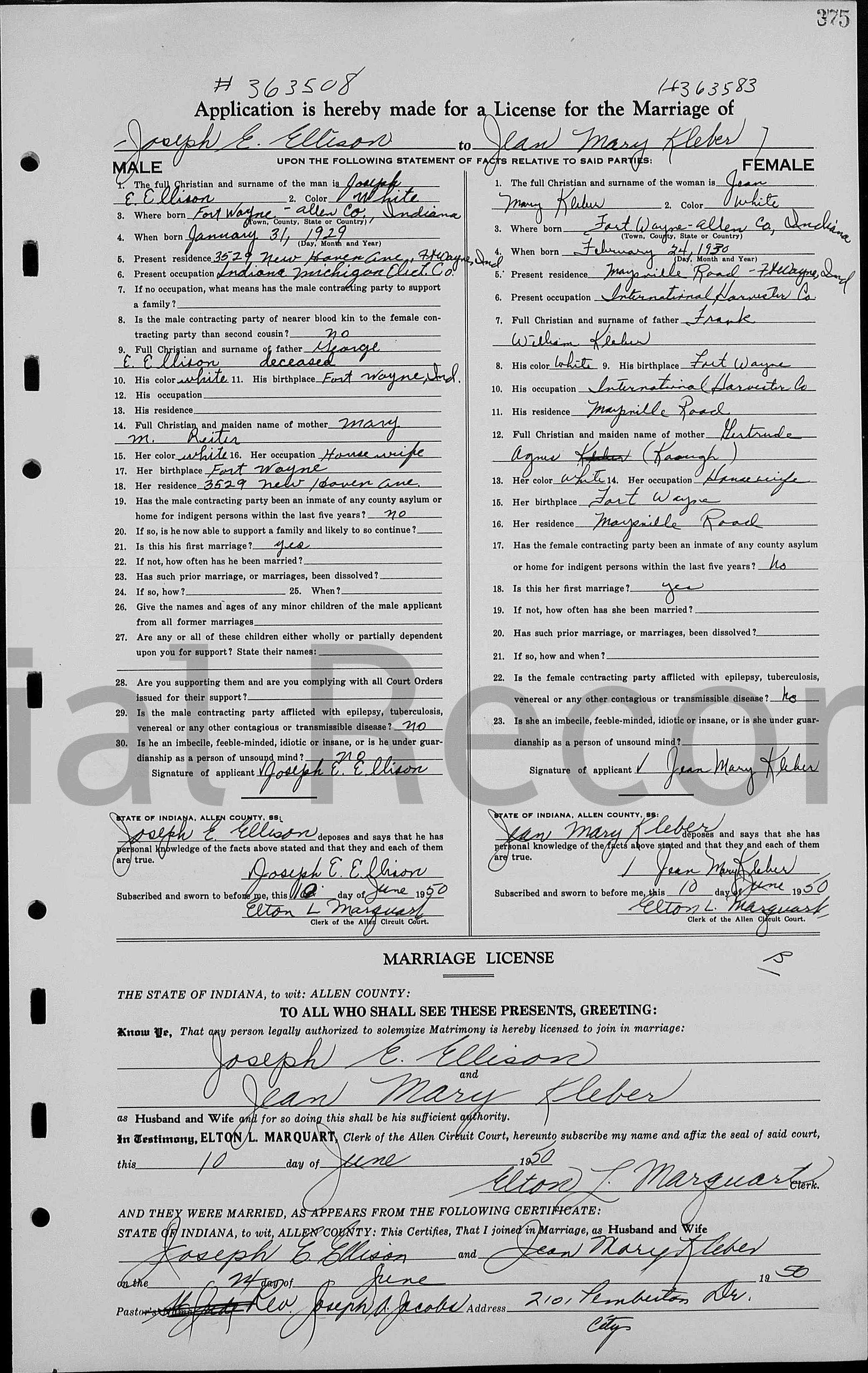
Skipping a clear record‑keeping system leaves you blind to both successes and shortfalls. Without a visible ledger, you may unintentionally spend money earmarked for the challenge. A simple spreadsheet, a budgeting app, or even a handwritten log can serve as a real‑time scoreboard. Below, an archival marriage record illustrates the value of precise documentation—just as a marriage certificate preserves a union, a savings log preserves your financial intention.
Why is flexibility essential, and how can you build it into the challenge?
Life rarely follows a predictable pattern; unexpected expenses, job changes, or health issues can disrupt a rigid savings schedule. The mistake is assuming “no‑excuse” means “no‑adjustment.” A smarter approach is to pre‑design a buffer month—allocate 10 % of your target contribution to a contingency fund. When an emergency arises, you draw from the buffer instead of halting the entire challenge.
What role does the “all‑or‑nothing” mindset play in failure?
Many participants think they must contribute the exact amount every period or the challenge is void. This binary view leads to frustration when a single shortfall occurs. Adopt a “catch‑up” mentality: if you miss $50 one week, add $10‑$15 the following weeks until you rebalance. This creates momentum while respecting cash‑flow realities.
How can social pressure both help and hurt the savings effort?
Sharing goals with friends can boost accountability, yet over‑exposure sometimes fuels comparison and discouragement. The mistake is broadcasting every setback. Instead, choose a trusted accountability partner who celebrates milestones and offers gentle nudges during dips. This selective support keeps motivation high without the stress of public scrutiny.
Is there a risk of over‑complicating the challenge with too many rules?
Some attempt to layer multiple savings formulas—round‑up apps, automatic transfers, and manual cash jars—all at once. The outcome is confusion and missed contributions. Simplicity wins: pick a single method, automate what you can, and stick with it for at least three months before adding complexity. Once the habit solidifies, you can introduce supplementary tactics.
What concrete steps can you take today to avoid these mistakes?
- Set a realistic, budget‑aligned contribution amount. Calculate disposable income after rent, utilities, and groceries.
- Choose a tracking tool. Use a spreadsheet, budgeting app, or paper ledger—consistency matters more than platform.
- Build a 10 % buffer. Reserve a small portion of each contribution for unexpected expenses.
- Adopt a catch‑up plan. Allow flexibility to compensate for occasional shortfalls.
- Find a single accountability partner. Share progress privately rather than publicly.
- Start simple. Automate one payment and add manual checks later if desired.
What long‑term benefits arise from mastering the $5,000 challenge correctly?
Beyond the obvious $5,000 boost, successful participants develop disciplined budgeting habits, improve financial confidence, and create a template for larger goals—whether a down‑payment on a home or an emergency fund. The challenge becomes a training ground, turning a short‑term target into a lifelong skill set.
By sidestepping the typical missteps outlined above, you turn a well‑intentioned savings challenge into a reliable pathway toward financial stability.
ACGSI - Allen County Marriages

ACGSI - Allen County Marriages
Marriage Records In Allen County, Indiana On Allen INGenWeb Project

Marriage Records in Allen County, Indiana on Allen INGenWeb Project
ACGSI - Allen County Marriages

ACGSI - Allen County Marriages
ACGSI - Allen County Marriages

ACGSI - Allen County Marriages