Anchorage families looking for autism spectrum disorder (ASD) support now have a practical tool: the city’s consolidated calendar schedule. By centralizing meeting times, locations, and virtual options, the schedule helps caregivers fit community resources into packed routines without missing critical sessions.
Why a Shared Calendar Changes the Game
For many parents, juggling work, therapy appointments, and school activities leaves little room for spontaneous outreach. A unified calendar eliminates the guesswork of hunting down group details on multiple websites or flyers. When the schedule displays recurring meetings—such as quarterly parent workshops, weekly peer‑support circles, and monthly sensory‑friendly outings—busy caregivers can align them with existing commitments, reducing overlap and travel stress.

Typical Scheduling Slip‑Ups and How to Avoid Them
- Assuming all groups meet at the same time. Many support circles run at varied hours—early mornings for working parents, evenings for full‑time caregivers, and weekends for families with school‑aged children. Check the calendar for time‑slot diversity before committing.
- Neglecting virtual attendance options. Several Anchorage groups now stream sessions on platforms like Zoom. Missing the online link can turn a valuable meeting into a missed opportunity.
- Overlooking location accessibility. Some venues lack wheelchair ramps or have limited parking. The calendar’s “location notes” flag these details; ignoring them can cause unnecessary delays.
- Skipping repeat‑session reminders. Parents often forget that a group that met once may reconvene monthly. Setting calendar alerts helps keep recurring appointments top of mind.
Smarter Strategies for a Seamless Calendar Experience
- Sync with personal digital calendars. Import the Anchorage ASD schedule into Google Calendar or Apple Calendar to receive push notifications.
- Tag sessions by purpose. Use color‑coding (e.g., red for therapy‑related workshops, blue for social playdates) so you can glance at the week’s focus at a glance.
- Reserve a “buffer” slot. Allocate 15 minutes before and after each meeting to accommodate travel or debriefing, preventing back‑to‑back overload.
- Check for “drop‑in” periods. Some groups allow spontaneous attendance without prior registration—these are often highlighted in the calendar’s notes section.
Finding the Right Group for Your Family
Anchorage’s calendar categorizes groups by age range, language support, and specialty focus. Parents of toddlers might gravitate toward “Early Intervention Playgroups,” while teens often benefit from “Neurodiversity Career Circles.” If a family needs bilingual facilitation, the schedule flags the few groups offering services in both English and Native languages. Reviewing each description before adding an event prevents mismatched expectations.
Next Steps: Turning the Schedule into Action
Start by downloading the latest CSV file from the Anchorage community health portal and importing it into your preferred calendar app. Set a recurring reminder to review the schedule each month—new groups appear seasonally, and existing ones sometimes shift days. Finally, reach out to group coordinators via the contact links provided; a quick email confirming attendance can secure a spot and clarify any accessibility concerns.
By treating the ASD Support Groups in Anchorage Calendar Schedule as a living resource rather than a static list, busy parents can integrate community support into their daily flow, ensuring that both children and caregivers reap the social and therapeutic benefits without added stress.
What Is Autism Spectrum Disorder? Symptoms, Diagnosis And Treatment
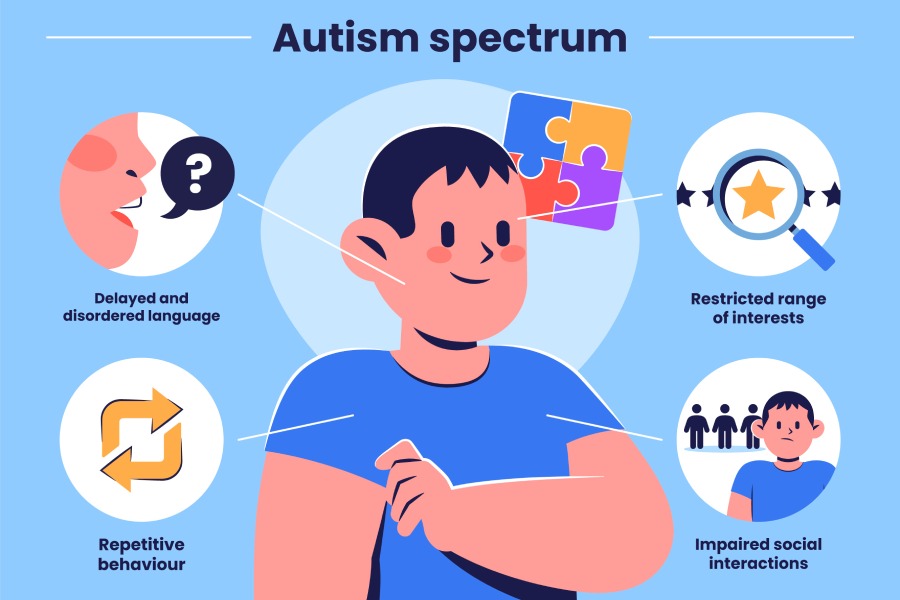
What is Autism Spectrum Disorder? Symptoms, Diagnosis and Treatment
Autism Spectrum Disorder (ASD) Infographic Presentation Template With

Autism Spectrum Disorder (ASD) Infographic Presentation Template with ...
Autism Spectrum Disorder : Early Symptoms Of ASD - Miind My Miind
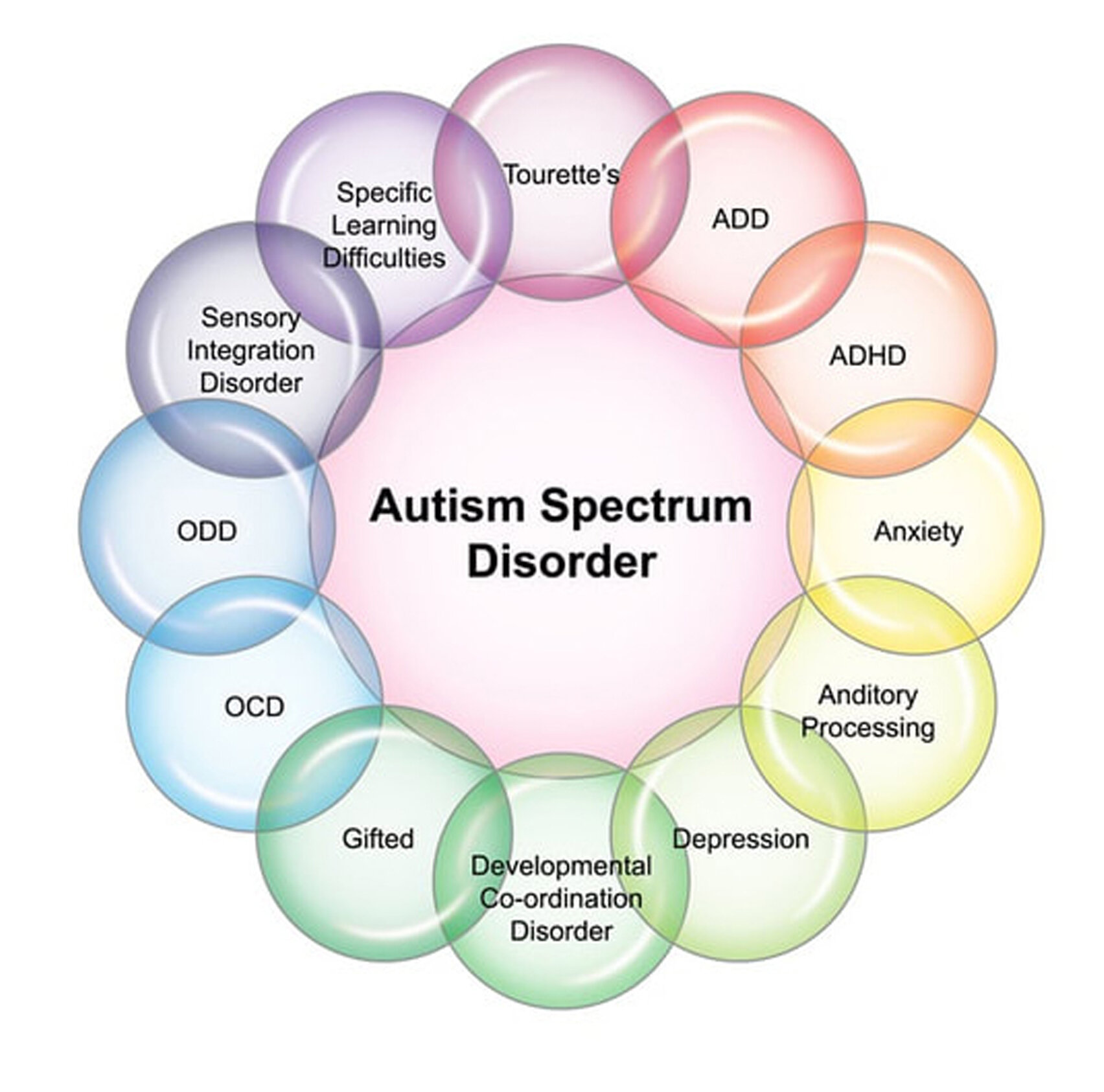
Autism Spectrum Disorder : Early Symptoms of ASD - Miind My Miind
How To Know Signs And Symptoms Of Autism Spectrum Disorder | Swiss Medica
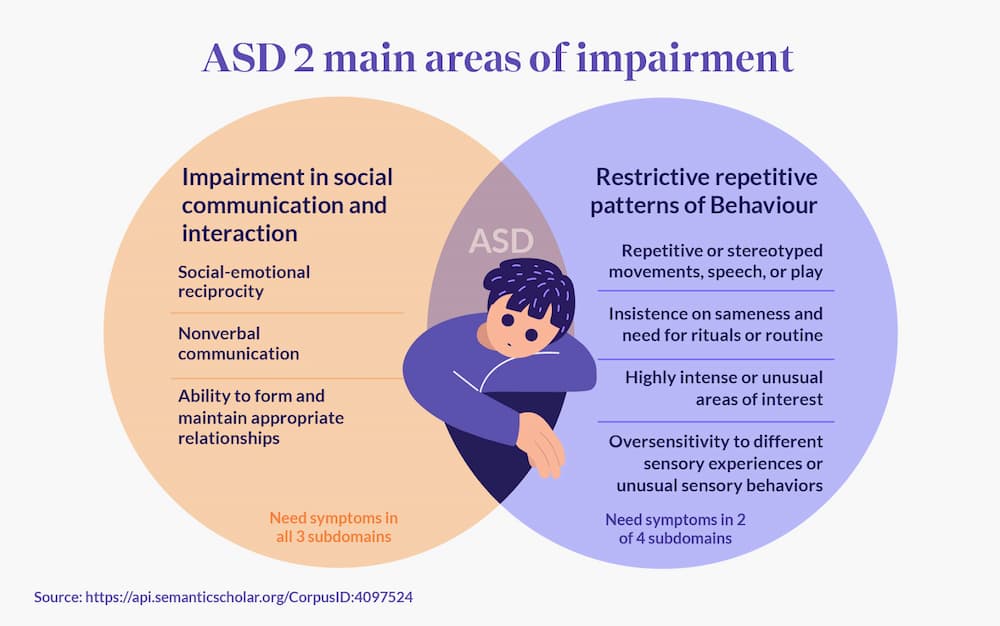
How to Know Signs and Symptoms of Autism Spectrum Disorder | Swiss Medica